What is a kulhad?
A kulhad is a small, handmade, unglazed clay cup used across India to serve chai. It is fired once, used once, then broken and returned to the earth. That is the short answer. The longer one explains why a disposable cup has survived plastic, paper and a century of cheaper alternatives.
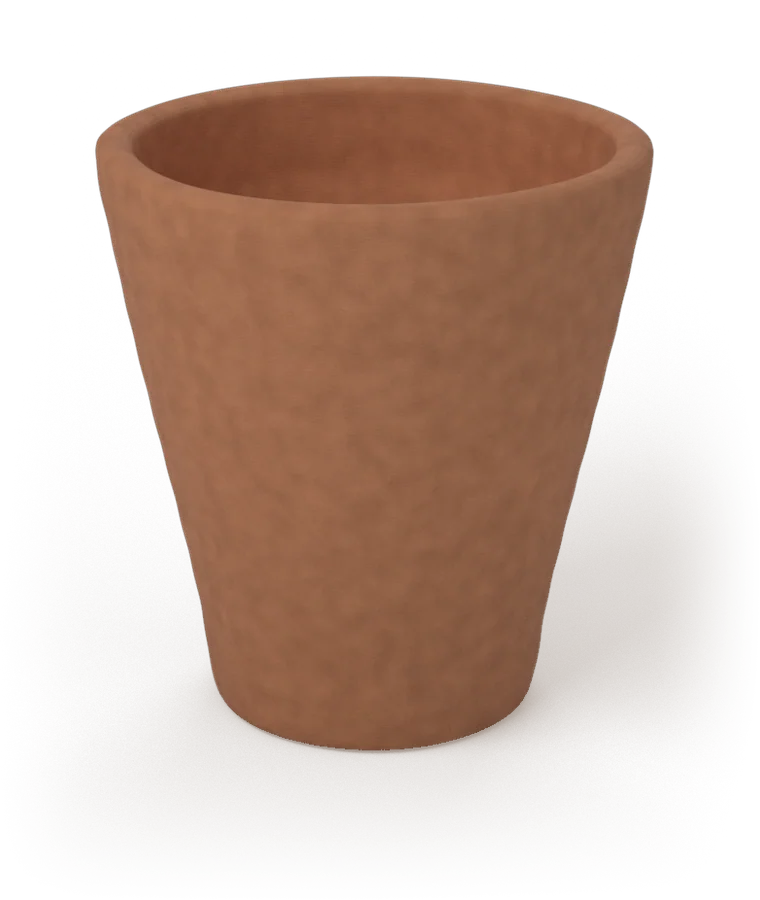
The cup itself
A kulhad is thrown or moulded from raw clay, dried, then fired once in a kiln. It is left unglazed, which is the detail that matters most. There is no coating, no lining and no second material anywhere in it. What you are holding is earth that has been shaped and baked.
The shape is consistent wherever you find it: a rim thrown thin so it sits comfortably against the lip, walls that taper inward and a base left deliberately thick. The thick base is not decoration. It insulates your fingers from a drink that came off the stove seconds ago and it keeps the cup from tipping on an uneven counter.
Kulhad, kullhad, kulhad, kulhar: which spelling is right?
All of them. The word is Hindi and every English spelling is a transliteration, so there is no single correct version. In practice:
- Kulhad is the most common spelling in everyday English search and writing.
- Kulhads is simply the plural.
- Kullhad is a frequent variant and the spelling Clayé uses as a brand name.
- Kulhar turns up in some regions and in older writing.
If you are searching for a supplier, it is worth trying more than one spelling, because listings are inconsistent about which they use.
Why chai tastes different from clay
This is the part people notice first and struggle to explain. Because the cup is unglazed, hot liquid meets raw fired clay directly. The clay is porous and slightly aromatic when heated, so the first thing that reaches you is the smell of wet earth, a second before the tea itself.
Glaze a cup and that disappears completely. The glassy layer seals the surface, which is exactly what glaze is for and the drink tastes like it would from any other vessel. The kulhad keeps its character by deliberately not being finished.
There is a cost to that. A porous cup absorbs a little of what it holds, which is why a kulhad is a single-use object rather than something you wash and reuse.
Single use and why that is not a contradiction
Calling a kulhad disposable feels wrong to people who associate the word with plastic, but the two are not comparable. A plastic cup is made from material that does not exist in nature and does not return to it. An unglazed kulhad is clay that has been through a kiln. Broken, it goes back to the ground it came from.
The traditional gesture of smashing the cup after finishing a drink is often read as theatre. It is closer to disposal instructions. Breaking it guarantees it is not reused and speeds up its return to the soil.
Where you find them
Kulhads are most associated with tea stalls, railway platforms and roadside tapris across north India, though they appear well beyond that, for lassi in Punjab, for sweets and desserts and increasingly on café menus in cities where a clay cup now reads as a deliberate choice rather than a default.
Indian Railways gave the format a significant push by moving to bring clay cups back onto station platforms as a replacement for plastic, which put kulhads in front of an enormous number of daily travellers again.
What sizes do kulhads come in?
There is no single standard, which surprises people. In practice the working range runs from a 30 ml chai shot up to a 300 ml event cup, with the classic tea stall pour sitting around 80 to 100 ml. The kulhad sizes guide breaks down what each size is used for.
Buying kulhads today
For a household, kulhads are easy to find in small quantities. For a business the problem changes shape entirely, because the question stops being availability and becomes consistency: the same cup, the same size, every week, without a gap that sends you back to paper. That is a supply problem rather than a pottery problem and it is covered in the wholesale buyer's guide.
About Clayé
Clayé is a kullhad production project in Uttar Pradesh making hand-thrown clay kulhad cups for cafés, tea stalls, event caterers and distributors. Four sizes from one clay body, fired at 900°C, unglazed, no mixed materials. We are pre-launch and are onboarding an early group of buyers ahead of production.
Serving chai in something better?
Join the waitlist and we will come back with pricing and lead times as production capacity is confirmed.
Join the waitlist