Kulhad sizes: millilitres, uses and which one to order
Kulhads are not sold to a single standard, so "one kulhad" can mean anything from a 30 ml chai shot to a 300 ml event cup. Here is the practical range, what each size is actually used for and how to decide what to stock.
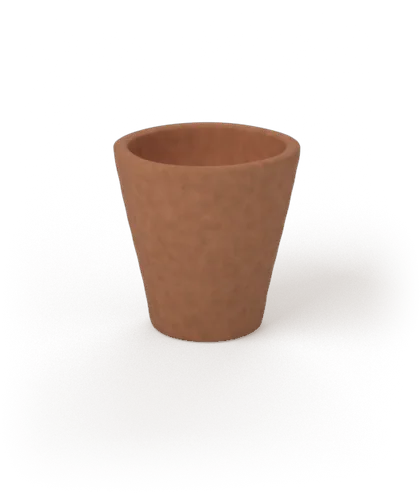
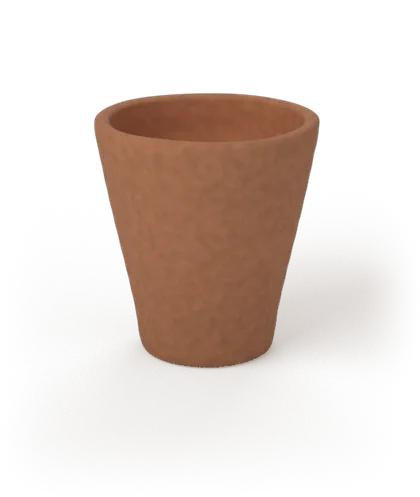
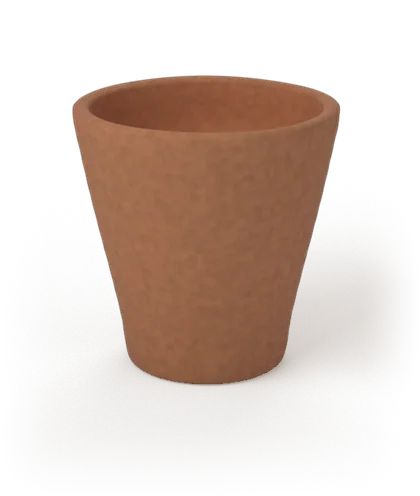
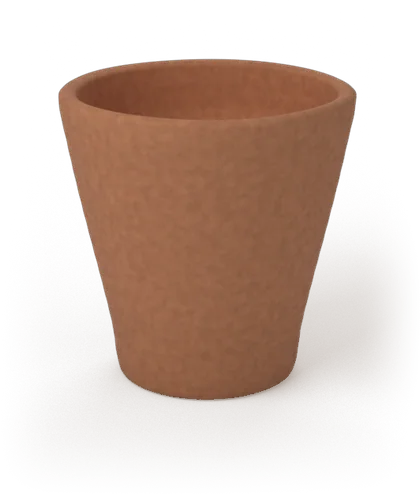
The four working sizes
| Name | Volume | Best for |
|---|---|---|
| Mini kulhad | 30 to 50 ml | Chai shots, tastings, sampling counters, dessert portions, events where people are walking and talking |
| Chai kulhad | 80 to 100 ml | The classic tapri pour. Standard café chai, the default order for most tea stalls |
| Lassi kulhad | 150 to 200 ml | Lassi, buttermilk, thicker drinks, larger café servings, cold coffee |
| Event kulhad | 250 to 300 ml | Weddings, catering, railway scale service, anywhere a refill queue is a problem |
How to pick without over-ordering
Start from the pour, not the cup
Measure what you currently serve. If your chai glass takes 90 ml, the 80 to 100 ml kulhad is a straight swap and nothing about your kitchen process changes. If you are pouring 150 ml into a paper cup, the chai size will feel like a downgrade to regulars even though it is the traditional volume.
Two sizes beats four
Almost every café that starts with the full range settles on two within a few months. More sizes means more shelf space, more part-used stacks and more chances to run out of exactly the one you need. A chai size plus one larger size covers most menus.
Match the size to the queue, not the drink
At events the deciding factor is usually refill traffic rather than thirst. A 300 ml cup at a wedding is not about serving more liquid, it is about not having 400 people come back to the counter twice.
Remember the cup is part of the price
A smaller kulhad costs less per piece, uses less clay and takes less kiln space, so the cost gap between a mini and an event cup is real. If you are serving a premium chai, the larger cup can justify a higher menu price on its own.
Why one clay body across sizes matters
Sizes sourced from different workshops tend to arrive in different shades, with different wall thickness and different absorbency. Side by side on a counter they look like four unrelated products. Clayé throws all four sizes from a single clay body and fires them at the same 900°C, so the range reads as one product line rather than a collection.
On measuring volume: kulhad capacity is usually quoted brim full, while the pour is a little less. If a supplier quotes 100 ml, plan for roughly 85 to 90 ml of usable serve once you leave room at the rim.
Dimensions and handling
Across the range the geometry stays consistent: a rim thrown thin so it is comfortable against the lip and a base left thick so the cup insulates the hand and sits stable on a counter. That thick base is why a kulhad feels heavier than its size suggests and why stacks should stay low in storage.
For the practical side of holding stock, breakage and reordering, see the wholesale buyer's guide. For what changes on a café floor, see kulhad cups for cafés and tea stalls.
Not sure which sizes you need?
Tell us what you serve and roughly how much of it. We will come back with a size recommendation, pricing and lead times.
Join the waitlist- What is a kulhad? The cup itself, the spellings and why chai tastes different from clay
- Clay kulhad cups for cafés and tea stalls Service speed, storage, cost per cup and why cafés are switching back
- Kulhad wholesale supplier guide Kiln loads, lead times, breakage policy and what to ask before ordering